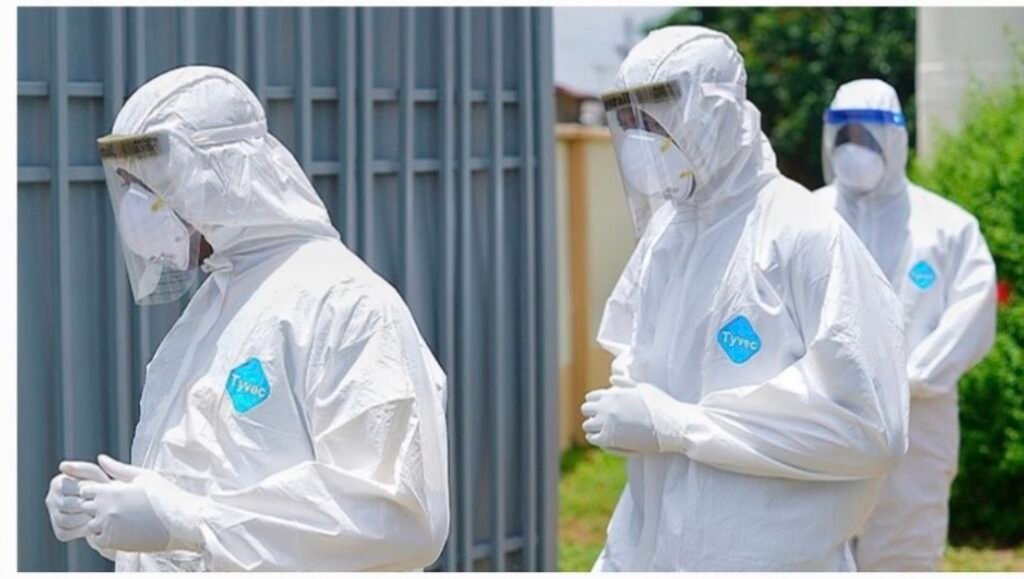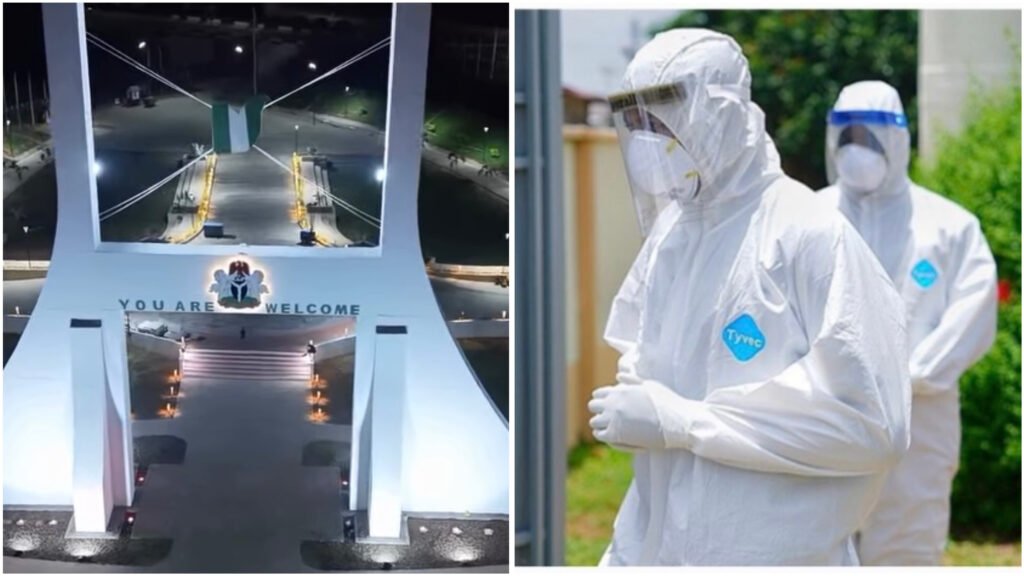
The Federal Government has stepped up efforts to protect Nigerians following a major health development in Abuja, with medical teams working to prevent the situation from getting worse.
On Tuesday, October 20, 2026, the government confirmed one case of Ebola virus disease in the Federal Capital Territory (FCT). The patient is a woman who recently travelled to Nigeria from Uganda and received treatment at a private hospital in Abuja before laboratory tests confirmed the infection. She is currently in isolation and receiving medical care
Following the confirmation, health authorities began tracing people who may have come into contact with the woman. So far, 44 contacts have been identified, including healthcare workers, patients, caregivers and people linked to her travels. These individuals are being monitored as officials work to prevent further transmission.
The Federal Ministry of Health and Social Welfare, the Nigeria Centre for Disease Control and Prevention (NCDC), and FCT health officials are working together to manage the situation. Hospitals across the country have also been urged to remain alert and report suspected cases quickly.
Ebola is a serious disease that can spread through direct contact with the blood or other body fluids of an infected person. Common symptoms include fever, headache, severe weakness, vomiting and diarrhoea.
The government has urged Nigerians to remain calm, wash their hands regularly and avoid contact with the body fluids of anyone suspected of having the disease.
Anyone who develops symptoms after possible exposure should avoid close contact with others and contact health authorities for guidance before visiting a hospital.
The NCDC has advised the public to call its toll-free number, 6232, for information or to report a suspected cas